
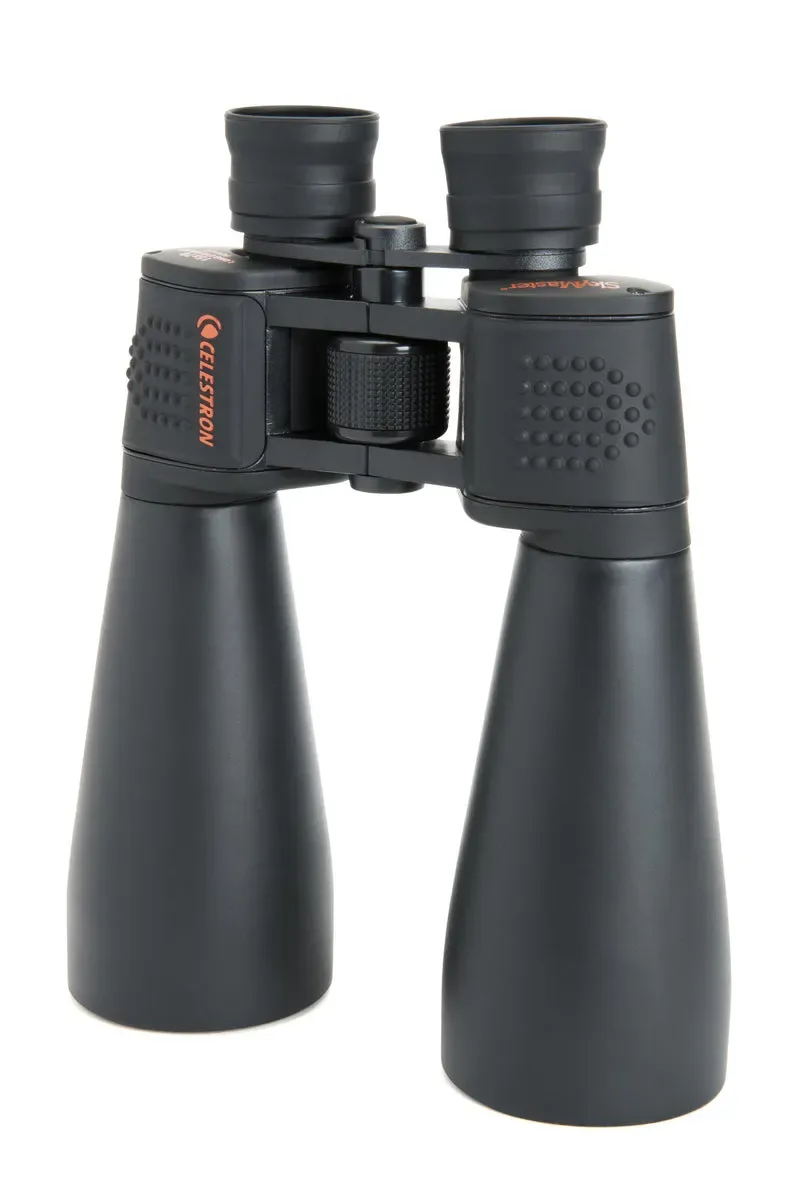
- Key Facts
- Rating8.2/10
- Why this pickAt 70mm objective lenses and 15x magnification, it gathers far more light than a typical 8x42 pair without tipping into tripod-only territory the way larger 20x80 and 25x100 models do, it's the size most first-time astronomy-binocular buyers can actually use spontaneously, no setup required.
Pros
- Large enough aperture for real deep-sky and lunar detail
- Still light enough to hand-hold for short observing sessions
- Tripod adapter included for when hand-holding starts to shake
Cons
- Noticeably heavier than an 8x42 pair, arm fatigue sets in within 10-15 minutes
- 15x magnification amplifies hand shake more than lower-power binoculars
- No image stabilization, a tripod is recommended for anything beyond quick looks
A telescope isn't the only way into astronomy, and for a lot of first-time buyers, it isn't even the best one. Binoculars are cheaper, need zero setup, and show a wide field of stars a telescope can't match at low power. This guide covers when binoculars make more sense than a telescope, what size to buy, and what you'll actually see through them.
Binoculars vs. a telescope: which should you buy first?
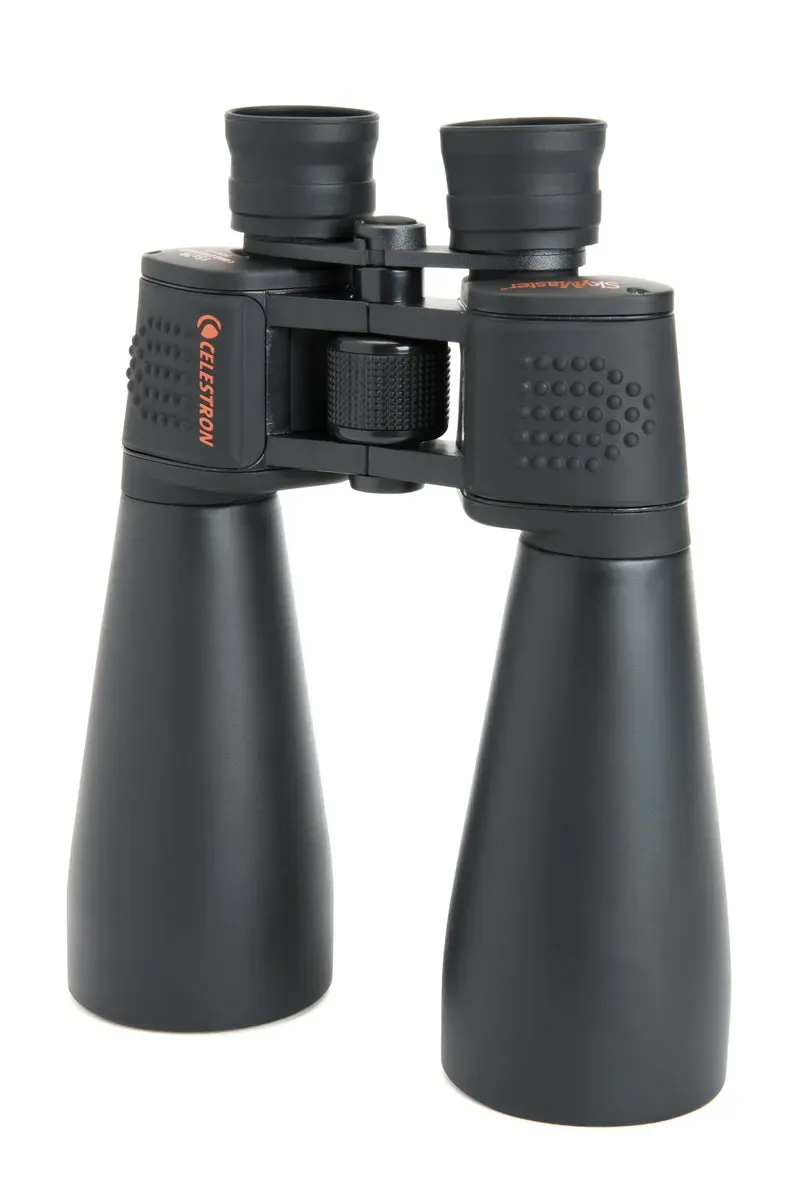
A capable pair of astronomy binoculars starts around $130, well under the cost of a decent first telescope setup. There's no collimation, no mount to balance, no learning curve beyond pointing and focusing. And because binoculars use both eyes at a wide field of view, they're genuinely better than a telescope for scanning large star fields, following the Moon across the sky, or just getting familiar with the constellations before committing to more equipment.
| Aspect | Binoculars | Telescope |
|---|---|---|
| Cost | From about $130 for a capable pair | Several hundred dollars for a decent first setup |
| Ease of Use | Point and look, no setup | Requires assembly, collimation/alignment on some types |
| Portability | Grab-and-go, especially 8x42 sizes | Bulkier, often needs a car trip |
| What You Can See | Wide star fields, the Moon, bright clusters, some nebulae under dark skies | Planetary detail, fainter deep-sky objects, higher magnification |
None of that makes a telescope pointless. A telescope will always beat binoculars on planetary detail and faint deep-sky targets. But if the choice is "cheap binoculars now or an underpowered department-store telescope now," the binoculars are usually the better first purchase, you can always add a telescope later once you know astronomy is a hobby you'll stick with.
What the numbers mean: 10x50, 15x70, 20x80
Binocular sizes are always written as magnification x objective lens diameter. A 10x50 magnifies 10 times and has 50mm objective lenses; a 20x80 magnifies 20 times with 80mm lenses. Bigger objective lenses gather more light, which is what makes fainter stars and deep-sky objects visible, but bigger lenses also mean more weight.
| Size | Handheld? | Best For |
|---|---|---|
| 10x50 | Yes, all night | First pair, wide star fields, grab-and-go use |
| 15x70 | Yes for short sessions | Noticeably more detail than 10x50, still manageable without a tripod |
| 20x80 | Not comfortably | Serious backyard observing with a tripod |
That handheld line matters. At 20x80, Celestron's own SkyMaster model weighs about 2126 g and ships with a built-in tripod adapter, because the company expects most owners to mount it rather than hold it. A lightweight 8x42 pair, by contrast, weighs roughly 629 g and can stay in your hand for a full session without fatigue. If you want something you'll actually grab on a whim, that weight difference is the deciding factor, not the magnification number.
What can you actually see with astronomy binoculars?
Realistic expectations matter here. Binoculars won't show planetary rings or resolve individual stars in most galaxies. What they do well: the Moon's craters and terminator line, the four brightest moons of Jupiter as pinpoints of light, open star clusters like the Pleiades, the general shape of the Andromeda Galaxy as a faint smudge under dark skies, and wide sweeps of the Milky Way that a telescope's narrow field of view can't take in at once.
For a beginner still learning the night sky, that wide field is arguably more valuable than magnification. Finding objects by "star hopping" is dramatically easier at 7x or 10x than it is trying to aim a telescope with a much narrower field of view.
Which brand should you start with?
Celestron is the most consistently available brand covering both ends of this decision, a compact, dual-purpose 8x42 (Nature DX) and dedicated astronomy sizes from 15x70 up to 25x100 (SkyMaster). If you want the model-by-model breakdown, sizes, and pricing, see our full Celestron binoculars review.
Frequently asked questions
Are binoculars a better first purchase than a telescope for astronomy? For a lot of beginners, yes. They cost less, need no setup, and give a wide field of view that's easier to navigate than a telescope's narrow view while you're still learning the sky.
What magnification and aperture should I buy for astronomy? 10x50 is the standard beginner recommendation. 15x70 shows noticeably more but is heavier. Anything above 15x70, like 20x80, is best used on a tripod.
Can I hold high-magnification binoculars like 15x70 or 20x80 steady by hand? A 15x70 is manageable for short sessions. A 20x80 is heavy enough that most manufacturers, including Celestron, build in a tripod adapter rather than expect handheld use.
What can I realistically see through astronomy binoculars? The Moon's craters, Jupiter's four largest moons as points of light, open star clusters, the general shape of the Andromeda Galaxy under dark skies, and wide views of the Milky Way.
Which brand makes good astronomy binoculars for beginners? Celestron covers both a lightweight dual-purpose option (Nature DX 8x42) and dedicated astronomy sizes (SkyMaster 15x70 through 25x100).
Sources
- [S001] Celestron.com : Binoculars collection page
- [S002] Celestron.com : SkyMaster 20x80mm Porro Binoculars
- [S003] Optics4Birding : Celestron Nature DX 8x42 Binoculars